Extractor Fan Installation for Dulwich Hill Homes
An extractor fan pulls damp air out of a bathroom or laundry, and the wiring behind it has to be rated for a room that stays wet.
Ring (02) 9538 7139 and we'll get the electrical side sorted.
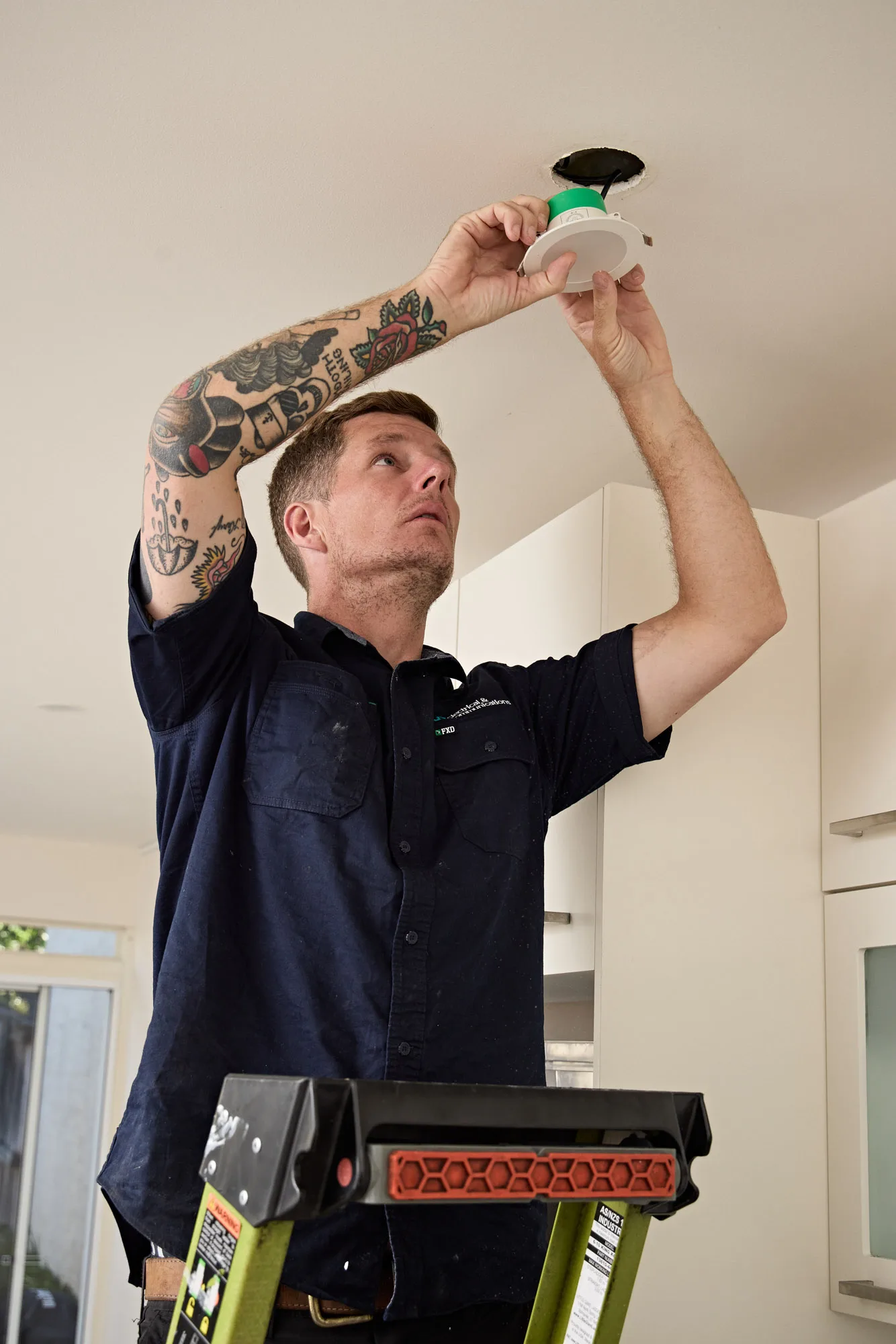
Extractor Fan Installation: What We Actually Do
Extractor fans clear steam and moisture from wet rooms, and the job is the power, the switching and getting the unit vented safely.
Bathroom exhaust fans. A fan sized to the room, wired and vented so the mirror stops fogging and the ceiling stops sweating.
Laundry exhaust fans. Moisture from a dryer and a wash basin builds up fast in a small laundry, so it gets its own extraction wired in.
Heat-lamp combo units. Three-in-one fittings that pair a fan, a light and heat lamps in one unit draw real current, so they need a circuit that can handle it.
Timer and humidity switching. A run-on timer or a humidity sensor so the fan keeps clearing the air after you leave the room.
Ceiling-space access and ducting. We work from the roof cavity to mount the unit and route the duct out to open air, via the roof or an eave.
Replacing a fan that's given up. A tired old fan swapped for a quieter, better-rated unit on wiring we've checked first.

Six Signs Your Home Is Asking for Extractor Fan Installation
A bathroom or laundry that holds moisture will tell you it needs proper extraction well before the damage shows.
- Condensation running down the walls or mirror long after a shower
- Black mould creeping into ceiling corners, grout or window reveals
- A fan that rattles, hums or barely moves any air any more
- A bathroom or laundry with no exhaust fan fitted at all
- Paint peeling or timber swelling from air that never dries out
- A new heat-lamp unit that keeps tripping the circuit it shares
If the room feels damp hours after use, that trapped moisture is doing quiet damage to the building around it.
Left long enough, poor extraction turns into a repair job rather than a simple install.
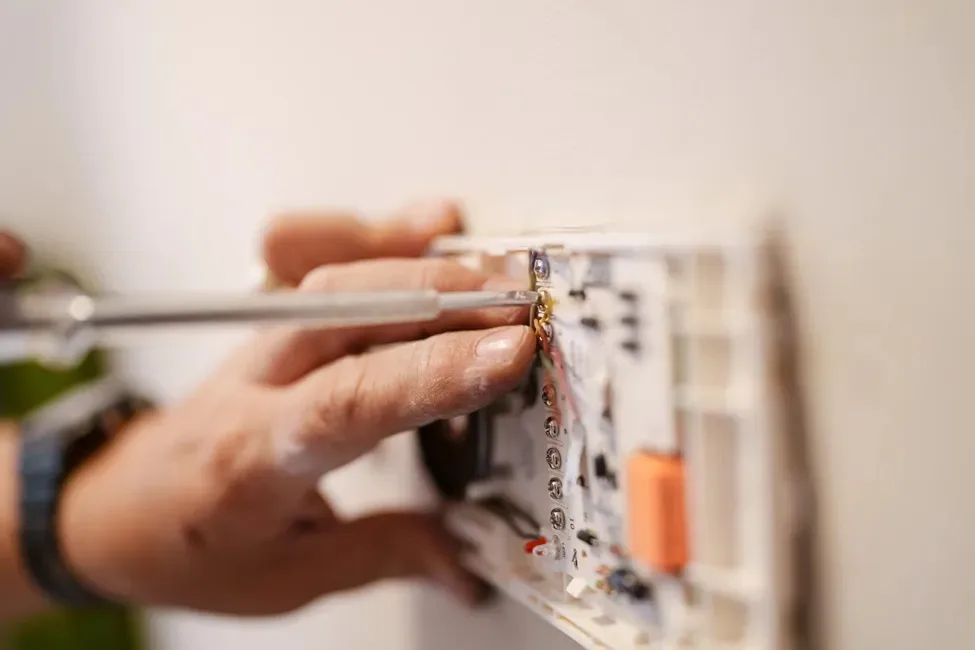
Extractor Fan Installation in Dulwich Hill Homes
Dulwich Hill's older double-brick housing is a big part of why this work comes up so often around here.
Solid brick homes from before the war were built with no cavity to run a duct through and, in plenty of bathrooms, no exhaust fan at all.
Steam from a hot shower had nowhere to go but into the plaster and the ceiling, and a century on, that shows as mould and lifting paint.
The growing share of flats and unit conversions brings the same problem in a different shape. Internal bathrooms with no window lean entirely on a fan that has to actually work.
We fit the extraction to the room in front of us rather than a standard box, whether that's a heritage bathroom off a narrow hallway or a compact ensuite in a newer block.
Getting the duct run right through a tight roof space is half the job, and it's the half a rushed install tends to skip.
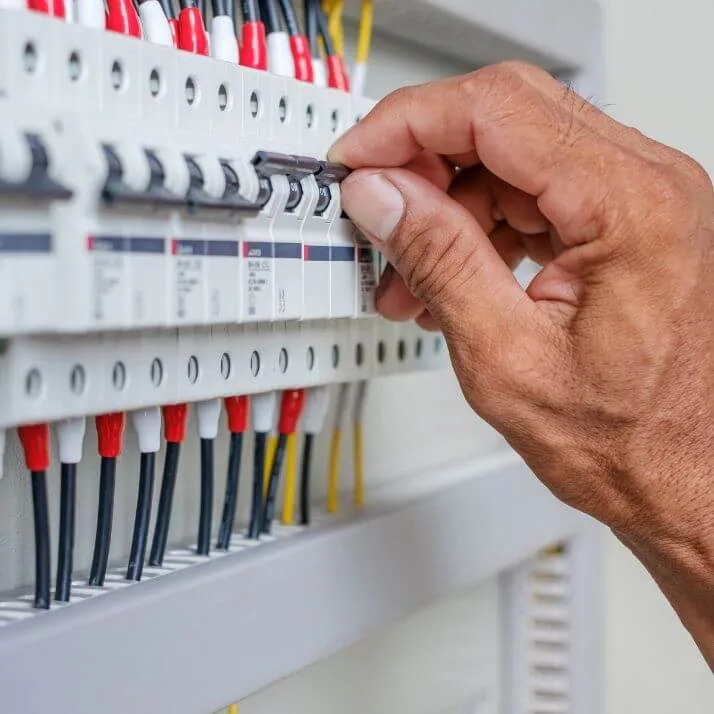
What Affects the Cost of Extractor Fan Installation
An exhaust fan quote comes down to what the room needs and how easy the fan is to reach and vent.
- Whether it's a simple fan or a heat-lamp combo drawing extra current
- If a new circuit is needed or an existing one has spare capacity
- How far the duct has to run and where it exits the roof or wall
- Roof-cavity access above the room, which is tighter in older homes
- Timer, humidity sensor or plain switch, depending on how you want it to run
You get a written price up front before any tools come out, and new customers have $50 taken off that first booking.
A straight swap onto sound wiring sits at the lighter end; a first fan in a room that never had one, on a fresh circuit, is more involved.
How the Job Runs and How Long It Takes
1. Look at the room. We check the space, the roof cavity above it and the circuit, then talk through fan options and where the duct should exit.
2. Written quote. Scope and price confirmed on paper before any work begins, with the switching type you want built in.
3. Fit and vent. The fan mounted, the duct run set out to open air, and the wiring connected to a circuit that carries the load.
4. Test and certify. The fan and switching tested, and compliance paperwork issued where the work is notifiable.
Most single-fan installs are a few hours rather than a full day. A fan into a room with no existing provision, on a new circuit, takes longer.
What NSW Requires for Extractor Fan Installation
All exhaust fan wiring is done to the AS/NZS 3000 wiring rules, the same standard that covers every circuit in the house.
Wet areas carry their own requirements around where fittings can sit and how they're protected, since bathrooms and laundries mix water and power in one small room.
A fan in a wet area needs a properly rated fitting and correct isolation, not a light-duty unit pressed into a job it isn't built for.
Where the work involves a new circuit, it's notifiable, and a certificate confirming it meets the standard is filed once testing is done.
Electrical work like this isn't legal to do yourself in NSW, and a wet room is the wrong place to learn why that rule exists.
The Difference on an Extractor Fan Installation Job
A fan is a small unit, but doing it properly means reading the room, the roof space and the circuit before anything goes in.
We size the fan to the room and run the duct all the way to open air, rather than venting it into the ceiling cavity where the moisture just moves next door.
Our lifetime workmanship guarantee stands behind the job, and the $50 make-it-right voucher applies if the finish ever misses the mark.
Extractor Fan Installation Across Dulwich Hill and Surrounding Areas
We fit exhaust fans across Dulwich Hill and out through Marrickville, Petersham and Hurlstone Park, suburbs with plenty of the same older wet rooms.
People often mix this up with a ceiling fan, which is a different job entirely, and while we're up in the ceiling it's easy to sort any flickering lights in the same room.
Common questions
Your Extractor Fan Installation FAQs
A few questions we get asked most about bathroom and laundry extraction.
Do bathroom extractor fans need their own switch?
Most do, though many run off a timer or humidity sensor instead of a wall switch. We wire whichever suits how you actually use the room.
Can you fit a heat-lamp and fan combo unit?
Yes. Three-in-one units with a light, fan and heat lamps draw more current, so we check the circuit can carry the load before fitting one.
Where does the fan vent to?
Ducting carries the moist air outside, through the roof or an external wall. We handle the wiring and switching; the duct run is set out with it.
Will a new exhaust fan need a compliance certificate?
New circuit work is notifiable and gets you a certificate. A like-for-like swap onto sound existing wiring may not be, and we'll tell you which applies.
Can you add a fan to a bathroom that never had one?
Regularly. Older homes here were often built without any exhaust at all, so a fresh circuit and a duct out through the ceiling is common work.
How is an extractor fan different from a ceiling fan?
An extractor clears moisture from a wet room, while a ceiling fan just circulates air in a living space. They're wired and sized as separate jobs.

Call Us Today About Extractor Fan Installation
A damp bathroom only gets worse the longer the air has nowhere to go. Getting proper extraction wired in is a small job that saves a bigger one.
Call (02) 9538 7139 and we'll book a look at the room.